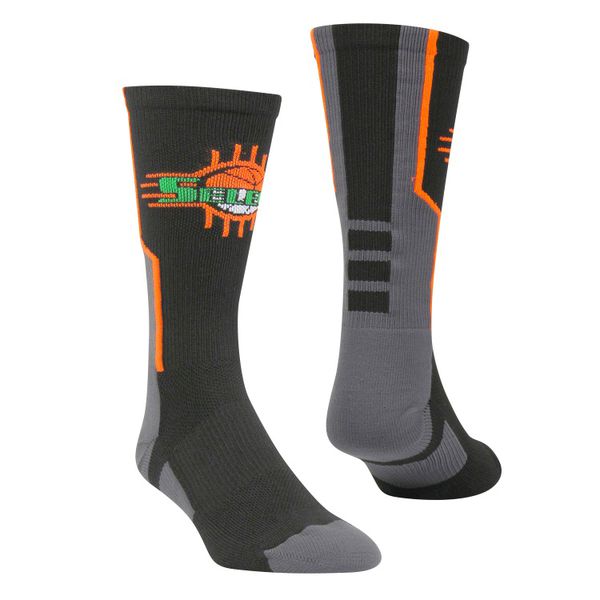
Every great pair of socks begins as something small: a doodle on a napkin, a mascot sketch, a brand pattern that already lives on packaging. The journey from that idea to a finished product is less mysterious than many people think, but it does have rules. Custom design socks let businesses, artists, and communities put their own artwork on a product people actually wear. The process combines creative thinking with technical knitting limits, and the brands that understand both get far better results. In this article, we follow the path from concept to carton, share practical tips for preparing artwork, and look at where made to order sock design is going next.
How the Process Takes Shape
The process usually begins with a brief. You share the idea, the target customer, the quantity, and the budget. A factory responds with advice on what is feasible and what might need adjusting.
Next comes artwork. Designers convert your image into a knitting file, mapping each part of the pattern to rows and stitches. This is where complex drawings are simplified so that they translate into yarn. Then yarn colors are selected, often matched against a color reference you provide.
A sample is knitted, reviewed, and revised. This stage is where most surprises appear. A color may look brighter than expected, or a line may look thinner than it did on screen. Adjustments are normal and expected. Once the sample is approved, bulk production begins, followed by finishing, quality checks, and packing.
Preparing Artwork and Choosing Details
Send the cleanest file you have. Vector artwork, such as an Adobe Illustrator or PDF file, scales without blurring and gives the technical team a sharp starting point. If you have brand colors, share reference codes so they can be matched as closely as yarn allows.
Remember that a sock is a curved, stretchy surface. Designs look different when worn than when laid flat, so ask for a photo of the sample on a foot form or on a person. Pattern placement should consider the heel and toe, where the shape changes.
Limit your palette for reliability. More colors can increase production complexity and affect pricing, so decide which ones are essential. Consider the fabric too: cotton gives a familiar feel, a blend with nylon adds strength, and a touch of elastane keeps the sock snug.
Finally, think about the details people notice later. A woven label, a contrast heel, or a hidden message inside the cuff can make the product feel special.
An Example of Collaboration in Action
Imagine a small bicycle club that wants a pair of socks for its members. The art director sketches a chain ring pattern and a bright color palette. The factory advises simplifying the chain detail, since thin lines lose clarity in knit. After one revision, the sample arrives, and the club notices that the pattern wraps awkwardly at the ankle. A small adjustment fixes it. The result is a design that looks deliberate and wears comfortably.
That kind of back and forth is where experience counts. Kaite Socks has spent more than ten years making socks for brands in many markets, and offers packaging as part of the same service. For anyone planning custom design socks, working with a team that handles knitting and boxes together keeps the finished pair and its presentation in harmony, which matters when the product is meant to be a gift or a retail item.
What Comes Next for Made to Order Socks
Expect smaller runs, faster sampling, and more personalization. Brands increasingly test limited designs, learn from customer reactions, and scale the best ones. Digital tools are making artwork preparation simpler, though knitting limits still matter. Sustainable yarns and lighter packaging are becoming common requests rather than special options.
A sound business approach is to start with one strong design, run a modest first batch, and build your range from real customer feedback.
Conclusion
With clear artwork, realistic expectations, and a skilled partner, custom design socks can turn an idea into a product that people proudly wear.
FAQ
What file format should I send? Vector files such as Adobe Illustrator or PDF are ideal. High resolution images can also work as a starting point.
Can I order a small quantity? Minimums depend on the factory and the design. Ask for a quote early so you can plan your budget.
How long does sampling take? It varies with design complexity and the number of revisions. Confirm the schedule when you request your quote.